November 16, 2026
Building a Football Card Collection with a Clear Focus
By @thecardmatch
Football card collecting can be an absorbing hobby, but it is easy to feel lost at the start. Shelves of packs, endless online listings, and a flood of unfamiliar terms can turn a promising interest into a confusing blur. The difference between a collection that grows with purpose and one that gathers dust is a clear focus. Once you decide what you want to collect and why, every card you add becomes part of a story, not just a random piece of cardboard.
This guide walks through the steps to define that focus and build a collection that reflects your interests, budget, and available space. Whether you are drawn to the history of the game, the artistry of modern inserts, or the thrill of pulling a rookie card, a plan will save you money and make the hobby far more satisfying.
Step 1: Decide What Draws You to the Hobby
Before spending a penny, sit down and think about what excites you about football cards. Do you admire the design and printing process? Are you chasing cards of a particular player or team? Do you enjoy the hunt for rare inserts and autographs? There is no wrong answer, but your answer will shape every decision that follows.
A collector who loves the game's history might focus on base cards from classic sets, while someone who enjoys modern production could target insert cards with intricate foil stamping or relic cards that contain fabric from a historic match. If the social side of the hobby appeals to you, you might prefer building a collection that you can trade and show off at events or on live streams. Understanding your own motivation prevents you from buying things that do not fit your vision.
Step 2: Choose a Theme or Category
Once you know your general interest, narrow it to a specific theme. A theme gives your collection identity and makes it easier to find the cards you actually want. Here are a few common approaches:
- Player or team focus. Pick a favourite player and collect every card of theirs you can find, from base cards to high-end numbered cards. The same works for a single club or national team.
- Set completion. Aim to finish an entire base set from a particular year and brand. This is a classic approach that rewards patience and organisation.
- Insert or specialty chase. Target specific insert cards, autographs, or relic cards from a single series. These tend to be more expensive but also more exciting to track down.
- Era or decade. Collect cards from a period you remember fondly, such as the early 2000s or the 1990s explosion of the hobby.
Write your chosen theme on a note and keep it nearby when shopping. It will act as a filter when temptation strikes.
Step 3: Set a Realistic Budget
Football card collecting can become expensive very quickly. A single pack might cost a modest amount, but buying box after box without a plan will drain your funds and leave you with duplicates and unwanted cards. Decide how much you can comfortably spend each month on cards, and stick to it.
Within that budget, allocate some money toward sealed product and some toward single cards. Sealed packs offer the thrill of the unknown, but singles let you buy exactly what your collection needs. A good rule is to spend no more than half your budget on packs and use the rest to fill gaps in your theme. This balance keeps the hobby fun without risking overspend.
Track your purchases in a simple notebook or spreadsheet. Over time, this record shows you where your money goes and helps you adjust before a small habit becomes a problem.
Step 4: Learn the Grading Basics
Card condition matters enormously, especially if you ever plan to trade or sell. A card with creases, scuffs, or corner wear is worth a fraction of a mint copy. Learn to spot common flaws before you buy. Use a magnifying glass or a bright desk lamp to examine cards, and always ask for clear photos of both front and back when buying online.
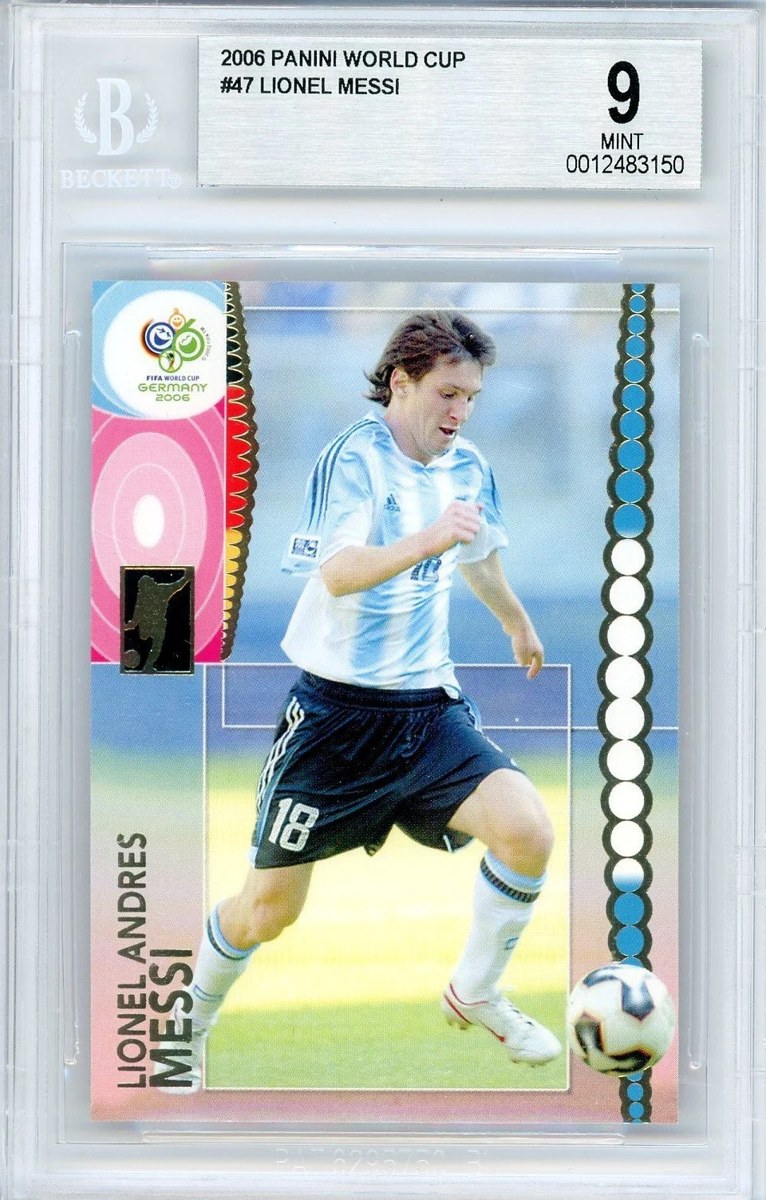
Graded cards, which have been professionally assessed for condition and sealed in a plastic slab, are popular among serious collectors. A graded card gives you confidence that what you see is what you get. For a themed collection, you might decide to collect only graded copies of key cards, or you might prefer raw cards to save money. Either way, understanding condition helps you avoid overpaying.
Step 5: Organise and Protect Your Cards
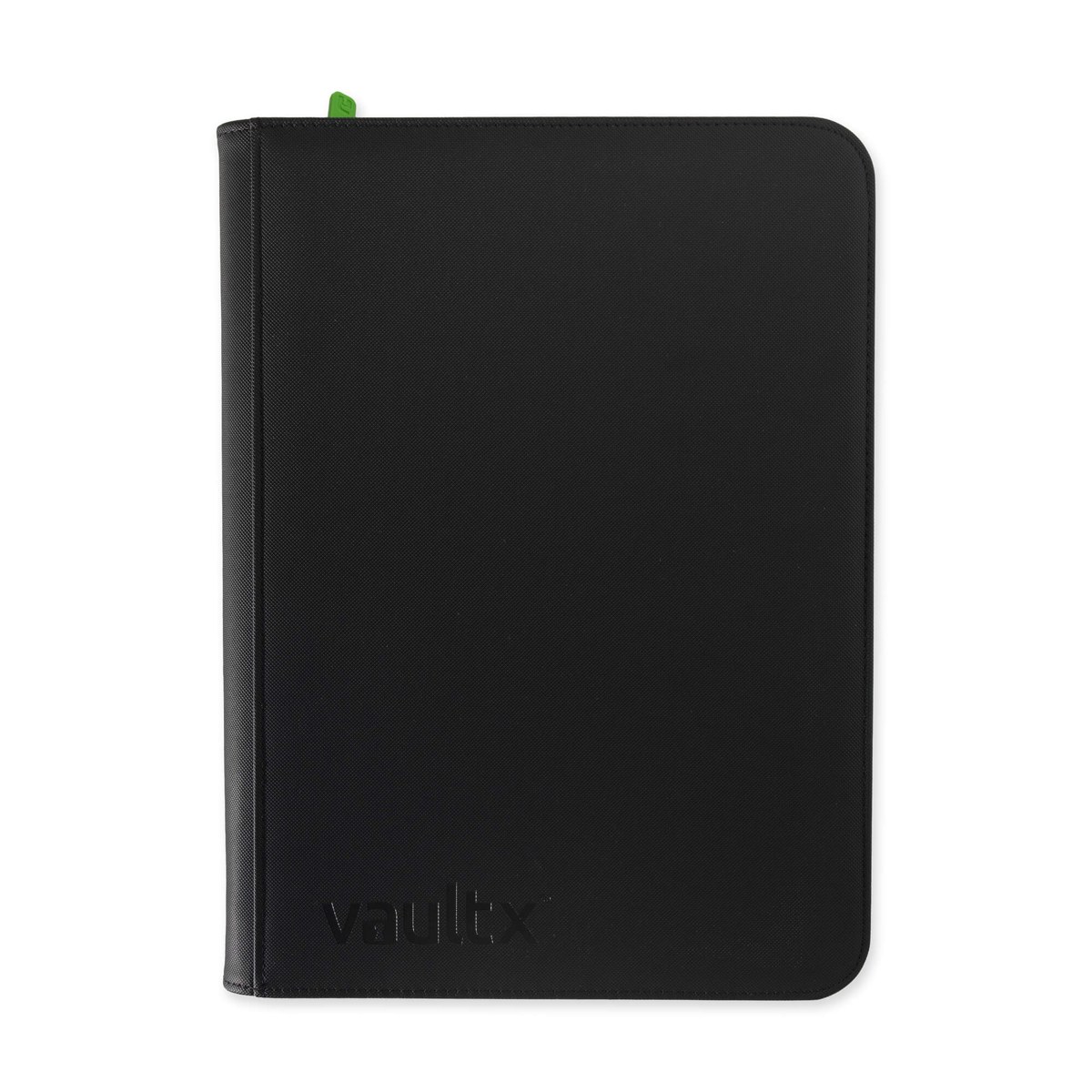
A focused collection deserves proper storage. Every card you value should go into a card sleeve immediately. Penny sleeves are cheap and effective for base cards, while thicker toploaders protect more valuable inserts and autographs. For cards you intend to keep long term, a storage box designed for trading cards keeps them flat and safe from sunlight and humidity.
Organise your cards by set, player, or team, depending on your theme. Dividers and labels make it easy to find any card in seconds. A well-organised collection is not only more enjoyable to browse, but it also preserves the condition of the cards and makes trading or selling simpler later.
Step 6: Engage with the Community
Football card collecting is far more rewarding when you share it with others. Online forums, social media groups, and live streaming platforms are full of collectors who trade knowledge and cards. You can learn about new releases, discover which sets are hot, and find people willing to trade duplicates for cards you need.
A UK-based example of this community in action is the live Whatnot repacks and collecting guidance offered by Craig Cam Cards. Engaging with such a space gives you a chance to see real pulls, learn about the market, and connect with people who share your interests. It is a practical way to stay informed and keep your focus sharp.
Step 7: Review and Refine Your Focus
A focused collection is not set in stone. After a few months, look at what you have gathered. Do you still feel the same excitement about your theme? Have you drifted toward a different player or set? It is completely fine to change direction. The key is to do it deliberately rather than accidentally accumulate a mishmash of cards.
Sell or trade the cards that no longer fit your focus. Use the proceeds to buy cards that align with your current goals. This keeps your collection lean and meaningful. A collection of 200 cards that you love is far better than a thousand cards that you ignore.
When you refine your focus, you might also decide to upgrade certain cards. Replace a base card with a graded version, or trade a common insert for a numbered card that is harder to find. Each upgrade strengthens the story your collection tells.
Step 8: Enjoy the Journey
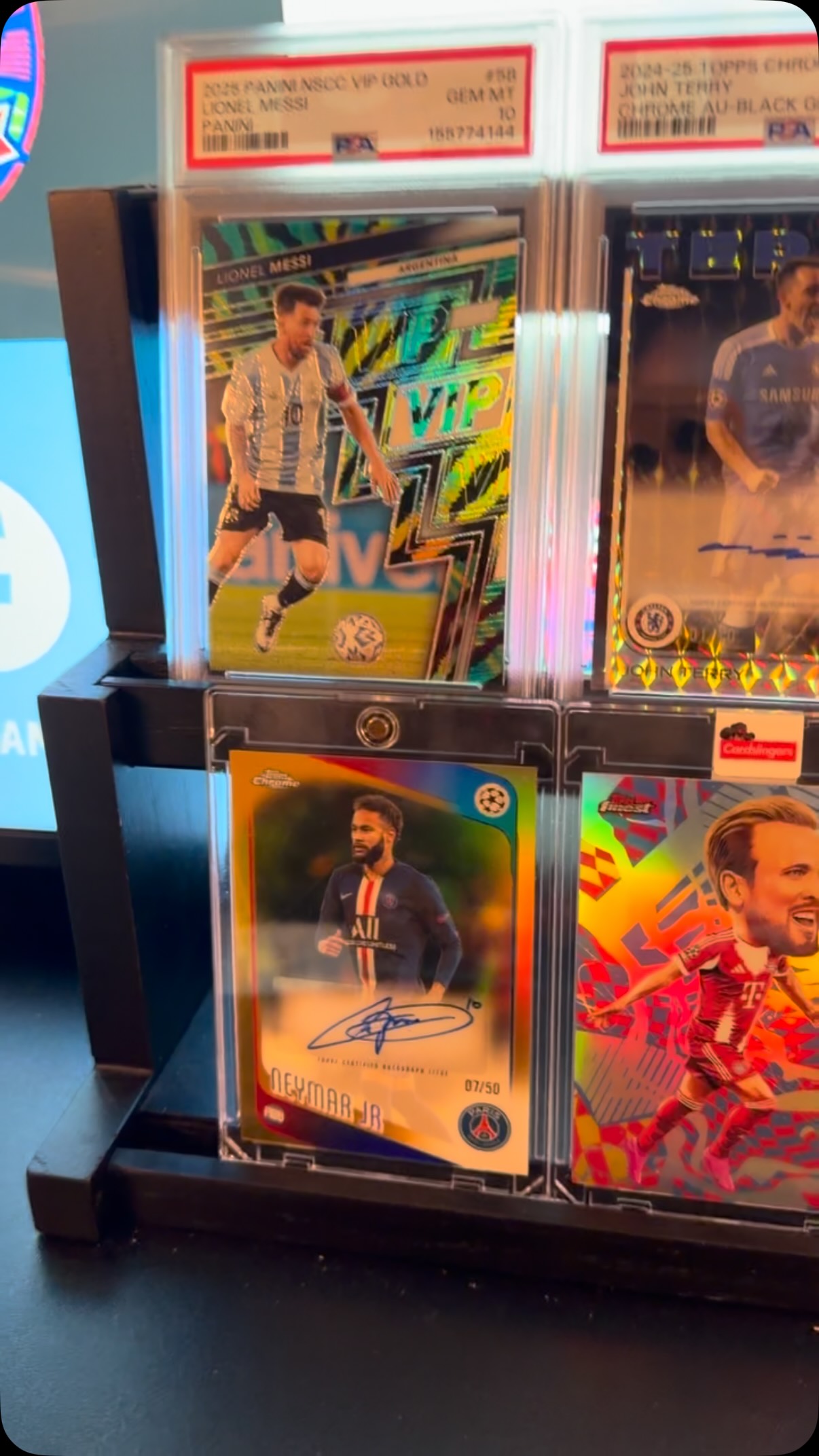
The best collections are built over time. Do not rush to have a complete set or a full binder of every player. Enjoy the search, the surprises, and the small wins. A pack that yields a rookie card of a rising star feels more special when it fits into a collection you have carefully planned. The same goes for landing an autograph of a player you have followed since childhood.
Remember that the hobby is meant to be fun. If you ever feel pressure to buy more or keep up with others, step back and revisit your original goal. A clear focus is your compass. As long as you follow it, your collection will always feel like your own.
For anyone starting out, resources like Craig Cam Cards provide a steady stream of inspiration and practical advice, from card hit showcases to football interviews. Use them to learn and to stay connected, but always collect on your own terms. The cards you choose, the way you store them, and the stories they hold are what make the hobby worthwhile.
❧